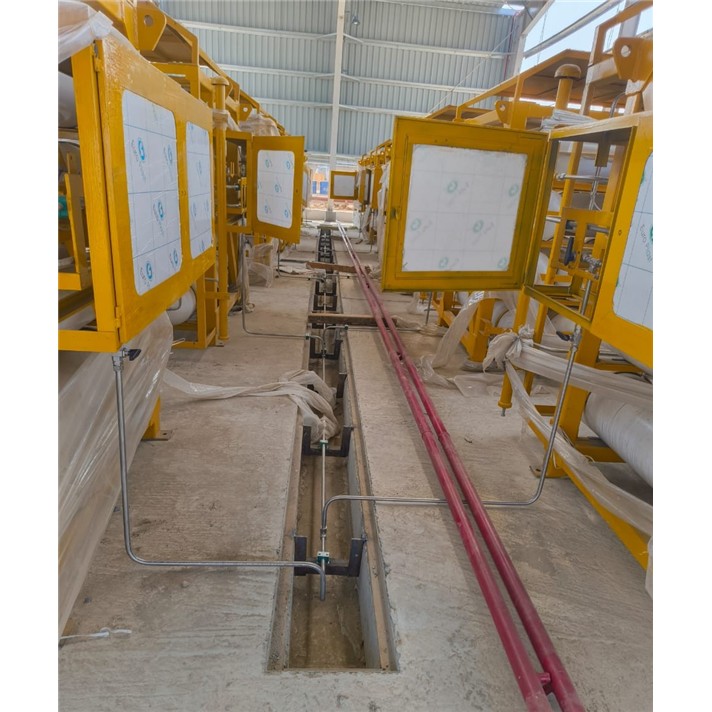

High-pressure tubing and LCV fill posts commissioned at a biogas plant in Nellore
High-pressure tubing and piping, gas manifolds, LCV fill post installation and system integration, through to commissioning, at a biogas plant in Nellore, Andhra Pradesh.
Project overview
Commissioning the gas-handling infrastructure is an important milestone in bringing a biogas project closer to reliable operation. High-pressure tubing, manifold connections and LCV fill posts must be installed and integrated correctly to support safe, efficient gas transfer.
Urjika completed the commissioning work at a biogas plant in Nellore, Andhra Pradesh. The scope covered high-pressure tubing and piping, gas manifolds, LCV fill post installation and system integration.
The challenge
Gas-handling systems in CBG facilities are made of interconnected components that must work together under specified operating conditions. In high-pressure gas applications, even small installation errors or unsuitable components can affect system integrity.
- Reliable connections between high-pressure tubing, piping and manifolds.
- LCV fill posts integrated with the intended gas-transfer arrangement.
- Compatibility between equipment, connections and operating pressure.
- Installation quality that supports safe operation and long-term reliability.
- Installation and commissioning coordinated across interconnected components.
Scope of work
- 01
High-pressure tubing & piping
The connections through which gas moves between equipment — selected and installed for design pressure, material compatibility, fitting specification, routing and support.
- 02
Gas manifold integration
Manifolds connect and manage gas flow between multiple lines or equipment connections, integrated to support the intended gas-transfer arrangement.
- 03
LCV fill post installation
A designated interface for transferring compressed gas to a vehicle or transport system, with compatible connections and the applicable safety provisions.
- 04
System integration & commissioning
Installed components brought together and verified before operational use — installation checks, inspection of connections, testing and functional verification under the approved commissioning plan.
Engineering approach
Executing high-pressure gas infrastructure takes more than installing individual components — the system has to be treated as one integrated arrangement.
- Connection integrity — tubing, fittings, piping and manifold connections suited to the specified service.
- Equipment compatibility — connected components appropriate for the system’s design conditions.
- Installation precision — routing, alignment, support and access for operation and maintenance.
- Safety verification — approved inspection and testing procedures applied before the system goes into service.
- System coordination — LCV fill posts integrated with the associated gas-handling infrastructure.
Why high-pressure tubing quality matters
The performance of high-pressure tubing depends on the tubing material, wall thickness, fittings, pressure rating, installation practice and service conditions. Poorly selected or improperly installed components can create leak paths, maintenance problems and operational risk.
- Compatibility with the gas and the operating environment.
- Suitable pressure and temperature ratings.
- Correct fittings and connection methods.
- Proper routing and mechanical support.
- Inspection, testing and documentation to the approved procedures.
The role of LCV fill posts
LCV fill posts are the transfer point between the gas-handling infrastructure and the transport vehicles or gas-transport systems that receive compressed gas.
Planning has to consider the receiving vehicle or equipment, operating pressure, flow requirements, connection compatibility, isolation arrangements and the applicable safety provisions. The exact configuration depends on the project design and the filling application.
Outcome
Urjika completed commissioning at the Nellore biogas plant, covering high-pressure tubing and piping, gas manifolds and LCV fill post installation.
The project shows the value of coordinated engineering execution when several gas-handling components are integrated into one functional system.
Key learnings
- Precision matters: high-pressure connections need appropriate components and installation practice.
- Integration is essential: tubing, manifolds, fill posts and associated equipment must work as one system.
- Commissioning requires verification: inspection and testing follow the approved project procedures.
- Safety is engineered in: component selection, installation quality and operating procedures all contribute.
- Execution quality supports reliability: careful installation and documentation help future operation and maintenance.
Dependable outcomes begin with sound engineering.
Project photos


More from the field
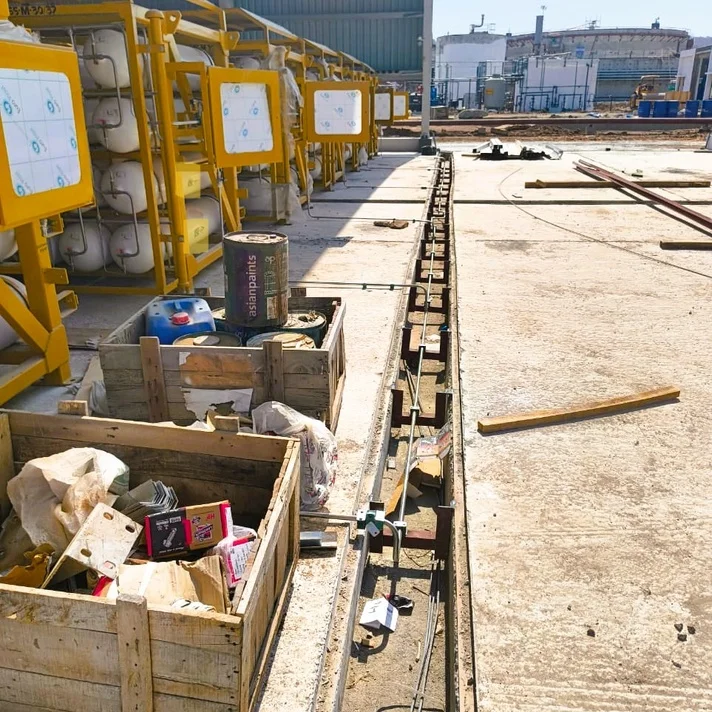 CASE STUDY
CNG/CBG Plant: 4500WL CNG Cascade Supply, installation and commissioning
- Equipment
- 4500 WL Type 1 CNG Cascade
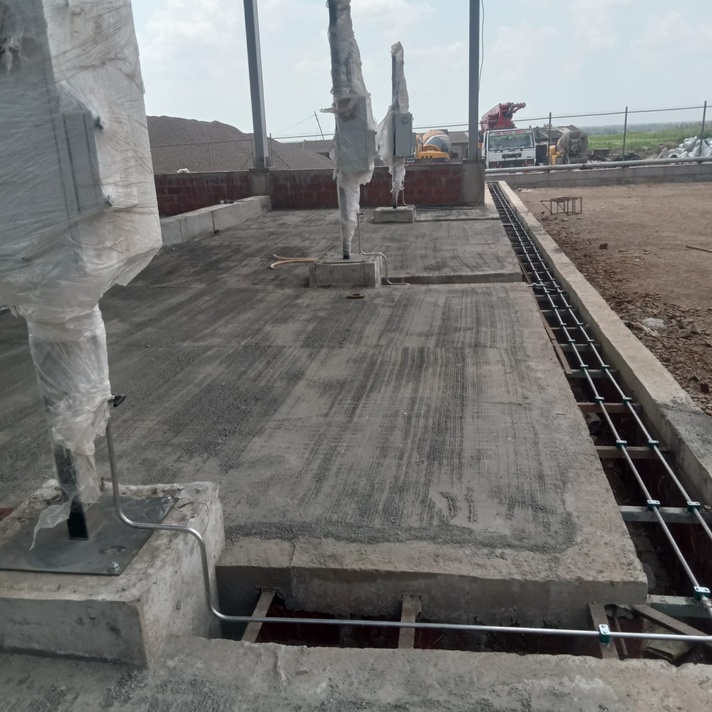 CASE STUDY
LCV Fill Post – Single Arm Supplied to Hardoi, Uttar Pradesh
- Equipment
- LCV Fill Post – Single Arm
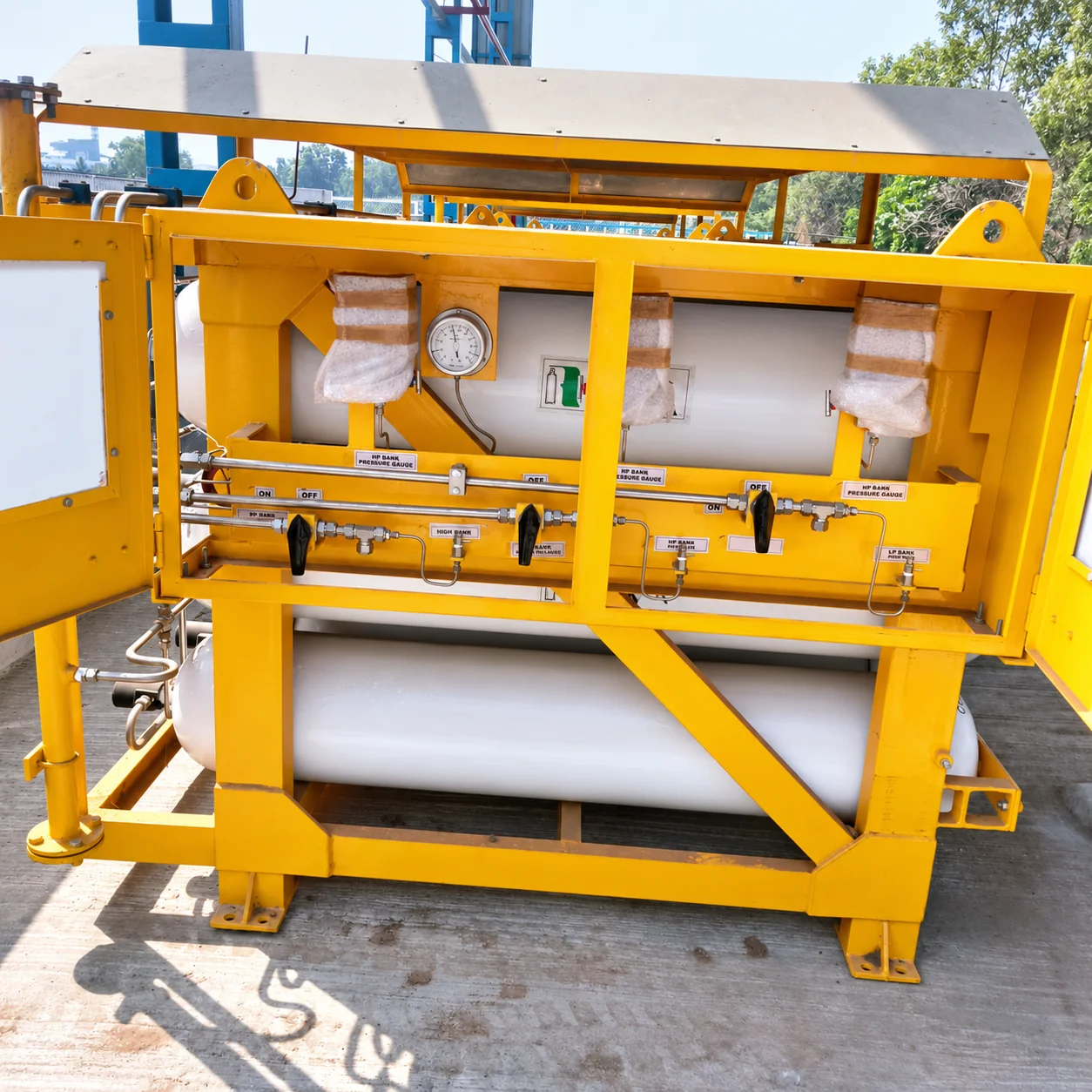 CASE STUDY
4500 WL CNG Cascade Single Bank & LCV Fill Post Single Arm Supplied to Pilibhit, Uttar Pradesh
- Equipment
- 4500 WL Single Bank Cascade & Single Arm LCV Fill Post
Have a project like this?
Let’s discuss how we can deliver it for you.